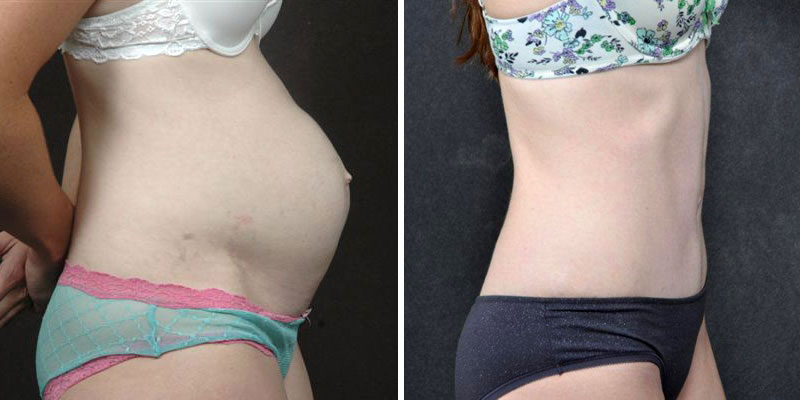
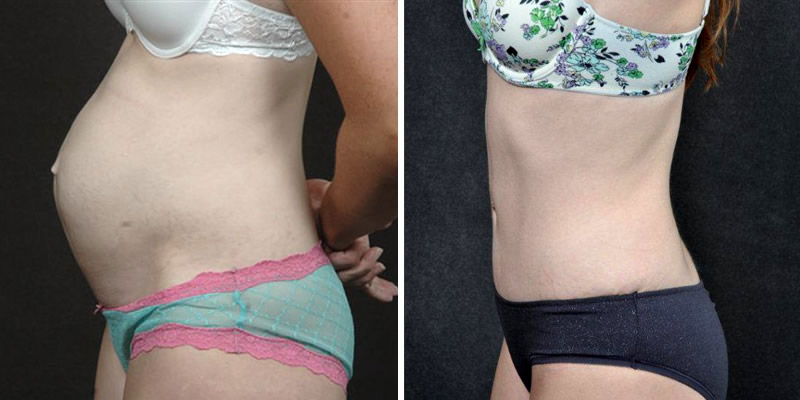
Tummy Tuck in Los Angeles

Sagging, loose tissue that accumulates around your abdomen may be preventing you from achieving the attractive body contours you desire. Unsightly excess tissue is often the result of pregnancy, weight loss, or the natural aging process. Countless men and women attempt to tone their midsection and restore lean contours through diet and exercise. However, once your skin loses its elasticity, no amount of natural remedies can restore its firmness. Dr. Kao performs abdominoplasty to eliminate excess, hanging abdominal tissue for patients who desire firmer, more toned abdominal contours.

Who Can Benefit From Abdominoplasty?
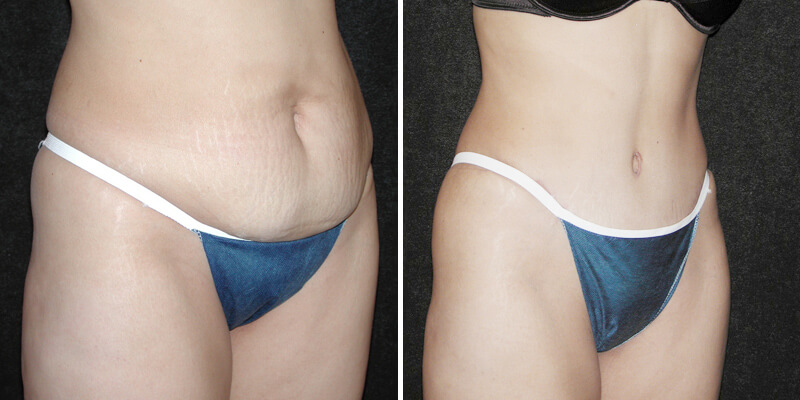
Belly Flab Resistant to Diet and Exercise

Men and women can struggle to fight belly flab through diet and exercise. Some are naturally predisposed to lack firmness in their abdomens. Dr. Kao will help you determine the best tummy tuck technique depending on the extent of your abdominal laxity.

Poor Definition After Pregnancy

Following pregnancy, women can experience a significant loss of abdominal definition. Weakened abdominal muscles can create the appearance of an abdominal pooch. Dr. Kao’s abdominoplasty technique can specifically target the laxity problems many women face post-pregnancy.
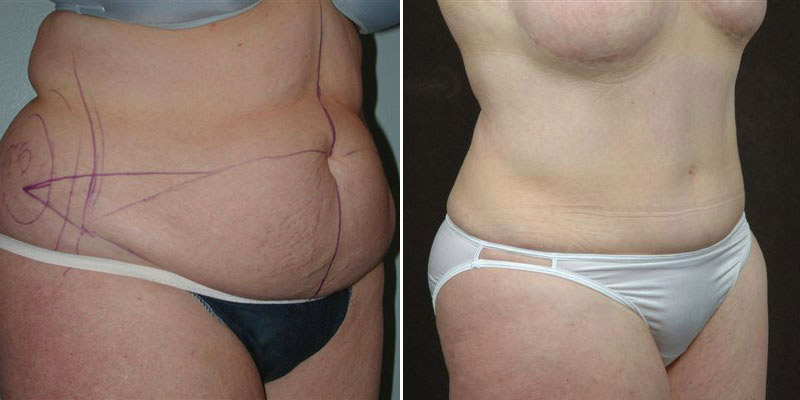
Skin Sagging After Major Weight Loss

Men and women who lose a significant amount of weight may find that they have redundant folds of skin around their midsection. This can be frustrating for patients attempting to gain their ideal bodies. Dr. Kao can tailor abdominoplasty to provide each patient with smooth abdominal contours.

Abdominoplasty Options

Full Tummy Tuck

Incision

Dr. Kao creates a pencil-thin incision low on the abdomen directly above the pubic bone (typically lower than a C-section scar). The incision follows the natural curvature of the pelvis with each end gently curving upwards.

Skin Trimming

Through the incision, Dr. Kao trims away excess skin. He pays careful attention to the thickness of the upper and lower flap and the contours of the mon pubis. He thins out the tissue of the mons pubis and thins the deeper fat of the upper skin flap so that it matches the slimmer aesthetic of the rest of the abdomen. Dr. Kao brings the upper skin flap down to the edge of the lower incision and removes any excess skin.

Abdominal Tightening

Dr. Kao can tighten a loose rectus abdominis muscle if necessary. He stitches the muscle together by pulling the midline edges together and then adding another layer of sutures to provide support. Dr. Kao utilizes suturing techniques that provide definition along the obliques. Tightening the abdominal muscle helps create a flatter, more toned appearance.

Navel Repositioning

Dr. Kao can correct the appearance of the navel if it has begun to sag along with the skin. He creates an incision around the navel, which allows him to place it in a more attractive position. Dr. Kao pays special attention to ensure the navel maintains a natural appearance by creating a hood in the upper portion and a gentle slant in the shape. He is especially proud of the natural belly button he can create.

Mini Tummy Tuck

Procedure

Mini tummy tucks are reserved for patients who have good skin elasticity in the upper abdomen and isolated laxity in their lower abdomen (lower “pooch”). The incision is limited and placed very low on the abdomen so it can be easily concealed. Excess fat and skin are removed from the lower abdomen.

Skin Trimming

During a mini tummy tuck, Dr. Kao removes a limited amount of loose or stretched skin from the lower abdomen, primarily below the navel. The remaining skin is carefully redraped to create a smoother, firmer lower-abdominal contour.

Because a mini tummy tuck treats a smaller area than a full tummy tuck, the amount of skin removed is more limited and the incision is typically shorter. The navel is generally not repositioned during this procedure.

Dr. Kao customizes the amount of skin trimming based on the patient’s anatomy, skin elasticity, and desired result while minimizing unnecessary tension on the incision and preserving natural proportions.

Abdominal Tightening

During a mini tummy tuck, Dr. Kao may tighten weakened or separated tissues in the lower abdominal wall when the concern is primarily located below the navel. This can help create a flatter, firmer lower-abdominal contour.

The repair is more limited than the muscle tightening performed during a full tummy tuck because the mini procedure focuses on the lower abdomen. Patients with muscle separation extending above the navel may be better candidates for a full tummy tuck.

Dr. Kao will evaluate the location and severity of abdominal muscle laxity, skin quality, prior pregnancies, weight changes, and overall anatomy to determine whether lower-abdominal tightening can achieve the desired result.

Ideal Candidates

A mini tummy tuck may be appropriate for patients who have a limited amount of loose skin, localized fullness, or a small lower-abdominal bulge primarily below the navel.

Good candidates generally have relatively firm skin above the navel and do not require extensive abdominal muscle repair or removal of a large amount of excess skin. Patients should also be in good general health, maintain a stable weight, and have realistic expectations about the procedure.

Patients with significant skin laxity or muscle separation extending above the navel may be better candidates for a full tummy tuck. Dr. Kao will evaluate your abdominal anatomy, skin quality, muscle laxity, and goals to recommend the most appropriate approach.

Endoscopic Tummy Tuck

Candidates

An endoscopic tummy tuck may be appropriate for patients who have weakened or separated abdominal muscles but relatively little loose or excess skin. Candidates are generally near a stable weight and have good skin elasticity.

This approach may also be considered for patients who need more extensive abdominal muscle repair than a mini tummy tuck can provide but do not require the skin removal associated with a full tummy tuck.

Patients with significant skin laxity, substantial localized fat, or hanging abdominal tissue may be better candidates for a mini or full tummy tuck. Dr. Kao will evaluate your abdominal wall, skin quality, medical history, and goals to determine the most appropriate procedure.

Incision

An endoscopic tummy tuck uses several small incisions rather than the longer lower-abdominal incision typically required for a full tummy tuck. These access points allow a small camera and specialized surgical instruments to reach the abdominal wall.

The exact number and placement of the incisions depend on the location of the muscle laxity and the individualized surgical plan. Whenever possible, Dr. Kao positions them in discreet areas, such as near the navel or within the lower abdominal region, where the resulting scars may be easier to conceal.

Because this approach removes little or no excess skin, it is generally best suited to patients with good skin elasticity. Patients who need substantial skin removal may require a mini or full tummy tuck instead.

Endoscopic Repair

Through the small incisions, Dr. Kao inserts a slender camera that provides a detailed view of the abdominal wall. Specialized instruments are then used to repair weakened or separated abdominal muscles without removing a large amount of skin.

The abdominal tissues are brought toward the midline and secured with internal sutures to improve support and create a flatter, firmer contour. The repair is customized based on the location and degree of muscle laxity.

Because an endoscopic tummy tuck focuses primarily on the abdominal wall, it is best suited to patients with good skin elasticity and minimal excess skin. Dr. Kao will determine whether this approach, a mini tummy tuck, or a full tummy tuck is most appropriate during consultation.

Combining Liposuction

Techniques

Dr. Kao may combine liposuction with a tummy tuck to reduce stubborn fat and improve definition around the abdomen, waist, hips, and flanks. While the tummy tuck removes excess skin and repairs weakened abdominal tissues, liposuction helps refine the surrounding contours.

Fat removal is performed selectively to create a smoother transition between the abdomen and nearby treatment areas. The amount and location of liposuction are customized based on the patient’s anatomy, skin quality, fat distribution, and desired shape.

Combining these procedures can provide more comprehensive body contouring than either procedure alone. Dr. Kao will determine whether adding liposuction is appropriate during your consultation.

Areas Treated

When liposuction is combined with a tummy tuck, Dr. Kao may treat nearby areas that affect the overall shape of the midsection. Common treatment areas include the upper and lower abdomen, waist, flanks, hips, and lower back.

Addressing these surrounding areas can help create a smoother transition between the abdomen and the rest of the torso. This is especially important when stubborn fat extends beyond the skin and muscle concerns corrected by the tummy tuck itself.

The specific areas treated depend on the patient’s anatomy, fat distribution, skin quality, and aesthetic goals. Dr. Kao customizes the liposuction plan to improve balance and definition without creating an overtreated or unnatural appearance.

Benefits

Combining liposuction with a tummy tuck can create a more complete improvement in the midsection by addressing stubborn fat, loose skin, and weakened abdominal tissues during the same surgical plan.

Liposuction helps refine the waist, hips, flanks, and surrounding areas, while the tummy tuck removes excess skin and improves abdominal firmness. Together, these procedures can produce smoother transitions, better definition, and more balanced body proportions.

A combined approach may also reduce the need for a separate future procedure. Dr. Kao customizes the treatment plan based on the patient’s anatomy, skin quality, fat distribution, and goals to create a natural-looking result that complements the rest of the body.

Concerns

Recovery

Tummy tuck recovery varies depending on whether the procedure is a mini, endoscopic, or full tummy tuck and whether it is combined with liposuction or another surgery. Swelling, bruising, tightness, soreness, and temporary numbness are common during the early stages of healing.

Depending on the surgical plan, Dr. Kao may place temporary drains and recommend an abdominal binder or compression garment. Light walking is encouraged soon after surgery to support circulation, while lifting, strenuous exercise, and activities that place tension on the abdomen should be avoided until Dr. Kao provides clearance.

Many patients return to desk-based work within approximately two to three weeks after a full tummy tuck, although less extensive procedures may allow an earlier return. Most normal activities are resumed gradually over the following weeks, while residual swelling and contour refinement may continue for several months.

Dr. Kao provides individualized aftercare instructions and monitors each patient during follow-up appointments. Patients may also have access to postoperative support through the nearby KO’AN Recovery Center when appropriate.

Scars

A tummy tuck requires an incision, so a permanent scar is expected. In a full tummy tuck, the incision is typically placed low across the abdomen so it can usually be concealed beneath most underwear and swimwear.

The length and location of the scar depend on the amount of excess skin removed, the type of tummy tuck performed, prior scars, and the patient’s individual anatomy. A full tummy tuck may also involve a small scar around the navel, while a mini tummy tuck generally uses a shorter lower-abdominal incision.

Dr. Kao closes the incisions carefully in layers to support healing and reduce unnecessary tension. Tummy tuck scars commonly appear red or firm at first and gradually soften and fade over time, although the final appearance varies from patient to patient.

Patients should follow all postoperative scar-care instructions, protect the incision from sun exposure, and avoid activities that place excessive tension on the healing tissues. Dr. Kao monitors scar maturation during follow-up appointments and may recommend additional care when appropriate.

Cost

The cost of a tummy tuck varies based on the type of procedure performed, the extent of skin removal and abdominal muscle repair, anesthesia fees, surgical facility fees, and whether liposuction or another procedure is included.

A mini tummy tuck, endoscopic tummy tuck, and full tummy tuck involve different levels of surgical complexity, so pricing is individualized rather than based on a single standard fee.

During your consultation, Dr. Kao will evaluate your abdominal anatomy, skin laxity, muscle separation, treatment goals, and overall surgical plan. Kao Plastic Surgery will then provide a detailed cost estimate that explains the fees associated with your recommended procedure.

Because tummy tuck surgery is generally considered cosmetic, it is typically not covered by health insurance. Financing options may be available for qualified patients through the practice.

Pain

Tummy tuck surgery is performed with anesthesia to keep patients comfortable during the procedure. After surgery, soreness, tightness, swelling, bruising, and a pulling sensation across the abdomen are common during the early stages of recovery.

Discomfort is often most noticeable during the first several days and may feel stronger when standing upright, coughing, changing positions, or engaging the abdominal muscles. Patients who undergo muscle repair or combine their tummy tuck with liposuction may experience additional soreness.

Dr. Kao provides individualized postoperative instructions and may prescribe medication to help manage discomfort. Wearing the recommended abdominal binder or compression garment, walking carefully, and avoiding strenuous activity can also support a more comfortable recovery.

Pain should gradually improve as healing progresses. Patients should contact Kao Plastic Surgery if discomfort becomes severe, suddenly worsens, or is accompanied by concerning symptoms such as increasing redness, drainage, fever, shortness of breath, or significant swelling.

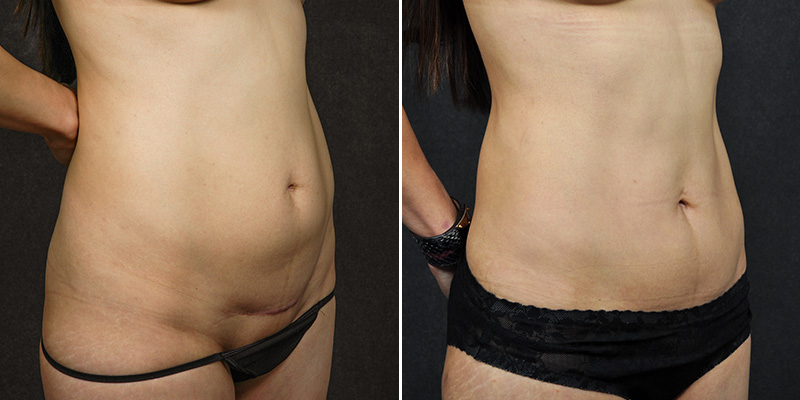
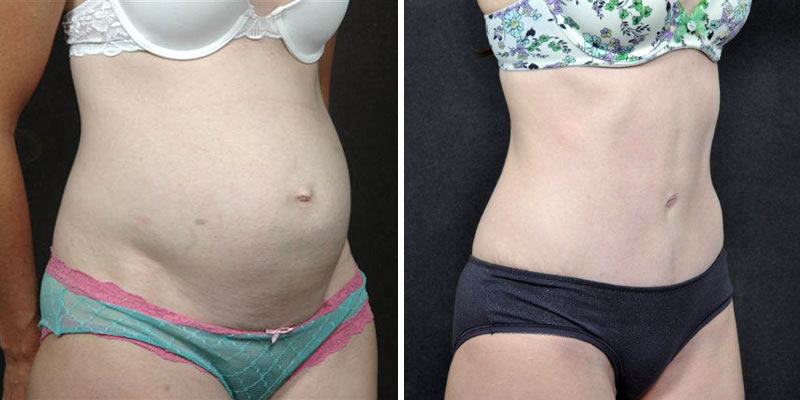
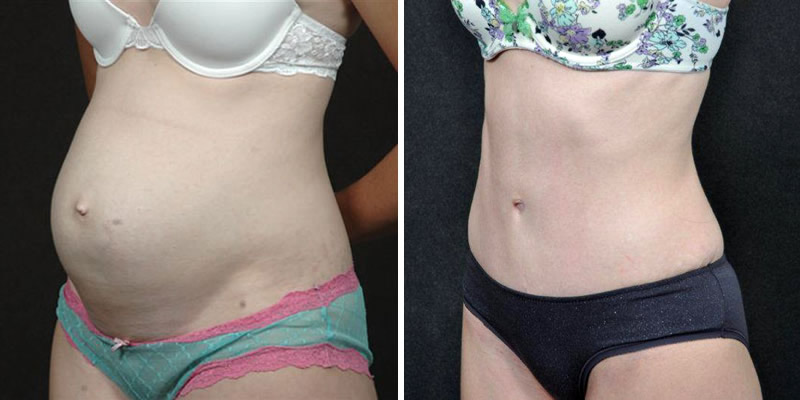
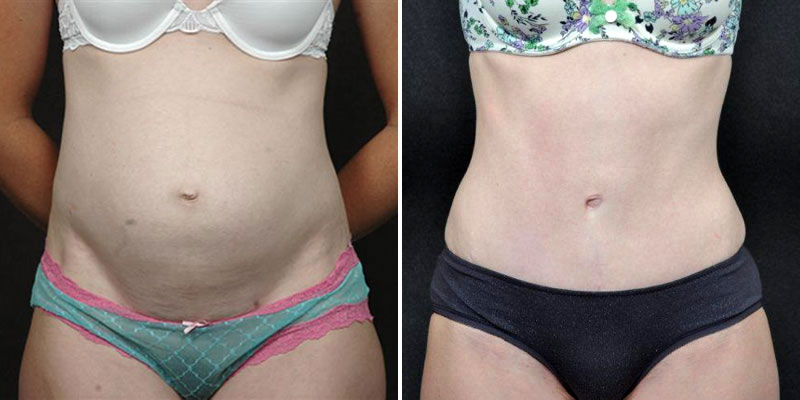
Tummy Tuck Before-And-After Photos

Tummy Tuck and body contouring videos

YouTube

KPS Case Study 4: Susan - Tummy Tuck Mommy Makeover

Tummy Tuck Frequently Asked Questions

  • The anesthesia used for a tummy tuck depends on the type and extent of surgery, whether other procedures are being performed, and the patient’s medical history. Options may include intravenous sedation or general anesthesia.

    Dr. Kao and the anesthesia provider will recommend the safest and most appropriate approach based on your individualized surgical plan. The anesthesia plan will be reviewed with you before surgery.

  • Good candidates for tummy tuck surgery are generally healthy adults who are near a stable weight but have loose abdominal skin, weakened or separated abdominal muscles, or a persistent abdominal bulge that has not improved with diet and exercise.

    Candidates should have realistic expectations and be able to follow the required recovery instructions. Smoking, uncontrolled medical conditions, plans for substantial weight loss, or a future pregnancy may affect the timing or safety of surgery. Dr. Kao will evaluate your health, anatomy, and goals during consultation.

  • A mini tummy tuck primarily treats the lower abdomen below the navel. It generally uses a shorter incision, removes a more limited amount of skin, and may include lower-abdominal muscle tightening. The navel is usually not repositioned.

    A full tummy tuck can address loose skin and muscle laxity both above and below the navel. It typically requires a longer lower-abdominal incision and may include abdominal muscle repair and navel repositioning. Dr. Kao will recommend the appropriate technique based on the location and extent of your concerns.

  • An endoscopic tummy tuck is a specialized approach intended for carefully selected patients who have weakened or separated abdominal muscles but relatively little loose skin. Small incisions and a slender camera are used to visualize and repair the abdominal wall.

    Because this technique removes little or no excess skin, it is not appropriate for patients with significant skin laxity or hanging abdominal tissue. Dr. Kao will determine whether an endoscopic, mini, or full tummy tuck is best suited to your anatomy.

  • A tummy tuck incision creates a permanent scar, but Dr. Kao places the primary incision low on the abdomen whenever the patient’s anatomy and surgical plan allow. The goal is for it to remain concealed beneath most underwear and bathing suits.

    The incision’s length and exact position depend on the amount of skin being removed, prior scars, and the type of tummy tuck performed. Scars are often red or firm at first and generally soften and fade as they mature, although they do not disappear completely.

  • A tummy tuck is not specifically designed to treat stretch marks. However, stretch marks located on the excess skin that is removed—most commonly on the lower abdomen—may also be removed during surgery.

    Stretch marks that remain on the surrounding skin may be repositioned or appear somewhat improved after the skin is tightened, but they will not necessarily disappear. Dr. Kao can explain which stretch marks may be affected after examining your abdomen.

  • A tummy tuck can repair weakened or separated abdominal muscles when muscle laxity contributes to a rounded or protruding abdomen. During the repair, the abdominal tissues are brought toward the midline and secured with internal sutures.

    The extent of muscle tightening depends on the location and severity of the separation. A full tummy tuck can generally address laxity above and below the navel, while a mini tummy tuck is more limited to the lower abdomen.

  • Yes. Liposuction may be combined with a tummy tuck to reduce stubborn fat and improve definition around the abdomen, waist, hips, flanks, or lower back.

    The tummy tuck addresses loose skin and weakened abdominal tissues, while liposuction refines nearby fat deposits and transitions between treatment areas. Dr. Kao will determine whether combining the procedures is appropriate based on your anatomy, skin quality, and goals.

  • Temporary drains may be placed after a tummy tuck to remove fluid that collects beneath the skin during early healing. Whether drains are needed depends on the surgical technique, the extent of the procedure, and Dr. Kao’s individualized treatment plan.

    If drains are used, you will receive instructions on how to care for them and when they are expected to be removed. Do not remove or adjust a surgical drain unless instructed by the practice.

  • Tummy tuck surgery is performed with anesthesia, but soreness, tightness, swelling, bruising, and a pulling sensation across the abdomen are common afterward. Discomfort is often most noticeable during the first several days and should gradually improve as healing progresses.

    Dr. Kao may prescribe medication and recommend an abdominal binder or compression garment to help support recovery. Contact the practice promptly if pain becomes severe, suddenly worsens, or occurs with increasing redness, drainage, fever, shortness of breath, or significant swelling.

  • Many patients with desk-based jobs return to work in approximately two weeks, although the timeline varies based on the type of tummy tuck, whether liposuction or another procedure was included, and how the patient is healing.

    Patients with physically demanding jobs may require additional time away from work. Dr. Kao will provide personalized guidance based on your occupation, mobility, incision healing, and overall recovery progress.

  • Light walking is generally encouraged early in recovery to support circulation, but strenuous exercise, heavy lifting, running, and activities that place tension on the abdomen must be avoided during the initial healing period.

    Many patients gradually return to more vigorous activity after several weeks, but there is no single schedule that applies to everyone. Exercise should resume only after Dr. Kao confirms that your incisions and abdominal tissues have healed sufficiently.

  • Swelling is expected after a tummy tuck and usually improves gradually over several weeks. Bruising often resolves sooner, while residual swelling may continue for several months as the tissues settle and the abdominal contour becomes more defined.

    Wearing the recommended compression garment, following activity restrictions, attending follow-up appointments, and maintaining a stable weight can support recovery. Contact the practice if swelling suddenly increases or is significantly greater on one side.

  • Tummy tuck results can be long lasting because excess skin is removed and weakened abdominal tissues may be repaired. Maintaining a stable weight and healthy lifestyle can help preserve the improved contour.

    Normal aging will continue, and substantial weight changes or pregnancy can stretch the remaining skin and abdominal wall. These changes may alter the original result even though the removed skin does not return.

  • Weight gain after a tummy tuck can enlarge remaining fat cells and place additional tension on the abdominal skin and repaired tissues. Smaller fluctuations may not significantly change the result, but substantial weight gain can reduce abdominal definition and create new laxity.

    Patients generally achieve the most stable results when they undergo surgery near a maintainable weight. Dr. Kao may recommend postponing surgery if you are actively planning significant weight loss.

  • A tummy tuck does not prevent pregnancy. However, pregnancy can stretch the abdominal skin and muscles again, potentially changing or reversing part of the surgical result.

    Patients who expect to become pregnant in the near future are generally encouraged to postpone tummy tuck surgery until after childbearing. Patients who become pregnant after surgery should receive routine care from their obstetric provider and can discuss any resulting contour changes with Dr. Kao after pregnancy and recovery.

  • No. A tummy tuck is a body-contouring procedure rather than a weight-loss or bariatric surgery. It removes excess abdominal skin, may remove a limited amount of fat, and can repair weakened abdominal tissues, but it is not intended to produce substantial weight loss.

    The best candidates are generally near a stable, maintainable weight before surgery. Patients planning significant weight loss may be advised to reach and maintain their goal first so the surgical plan can address the remaining skin and contour concerns accurately.

  • Like every surgical procedure, a tummy tuck carries potential risks. These can include bleeding, infection, fluid accumulation, poor wound healing, unfavorable scarring, numbness or changes in skin sensation, asymmetry, persistent pain, blood clots, anesthesia complications, skin or fat-tissue loss, and the possible need for revision surgery.

    Dr. Kao will review the risks, benefits, alternatives, and steps used to reduce complications before surgery. Following all preoperative and postoperative instructions, avoiding nicotine, walking as directed, and reporting concerning symptoms promptly are important parts of surgical safety.

Schedule a consultation


Skip to content